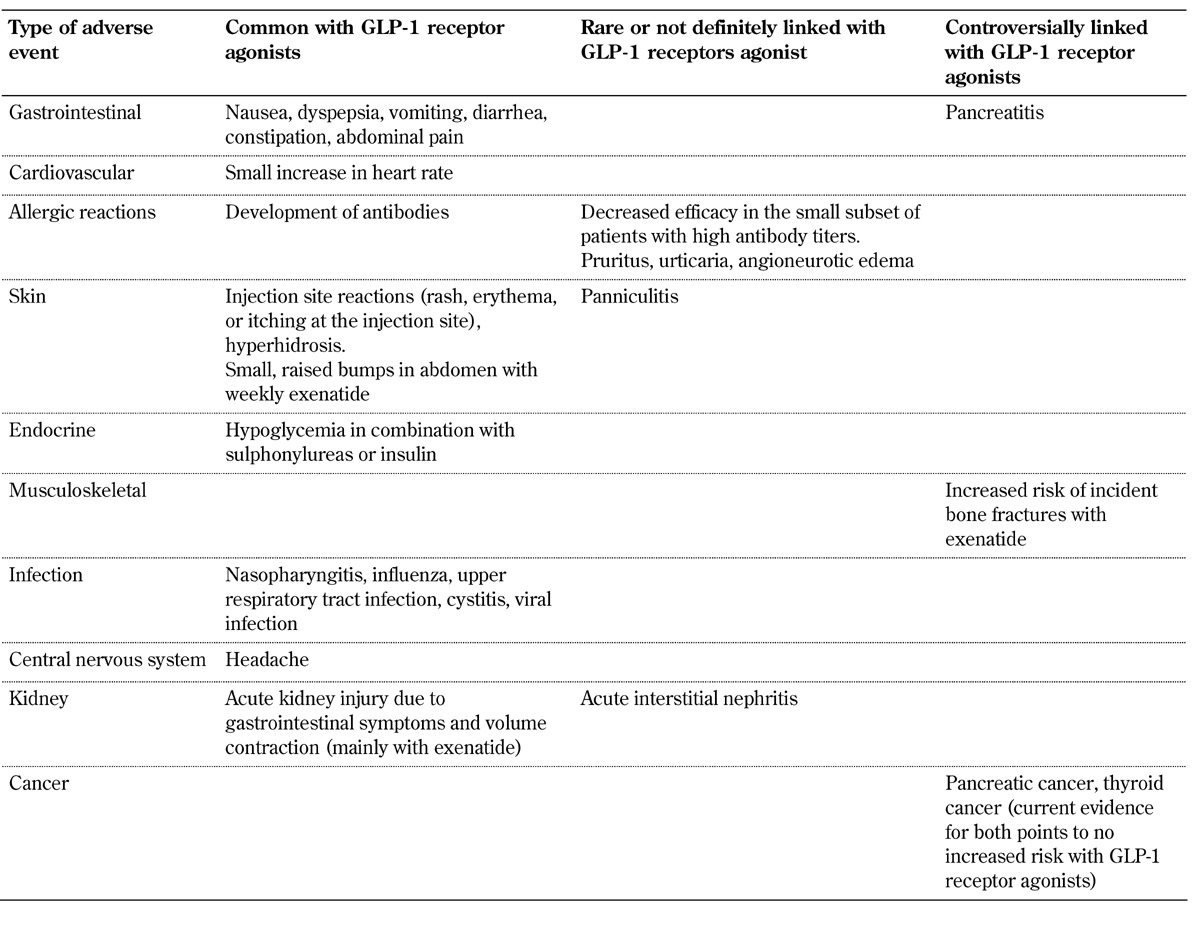
The study reported lower risks for several cancers, including hepatocellular, colorectal, breast, and prostate cancers, though it did not find a significant reduction in lung cancer risk.25 So the honest answer is this: current human evidence does not show that NAC causes cancer, but animal and mechanistic research suggests NAC could behave differently depending on cancer type, disease stage, dose, and treatment context
8-nitroguanosine formation in viral pneumonia and its implication for pathogenesis
doi:10.1007/s10620-007-9945-7 29
Magalingam KB, Radhakrishnan A, Haleagrahara N
FOXO4-DRI reduces chemotherapy-induced senescence and chemotoxicity and cellular senescence in p16-positive aging XpdTTD/TTD mice 11